




Textile Traceability with RFID: Technical Guide 2026 : Comercial Arque

In this article
- What is textile traceability and why does it matter now?
- How embedded RFID works on textile media
- Embedded RFID vs. conventional RFID tag
- The industry problem: hidden costs and limited visibility
- The Comercial Arque proposal: Texlin® and IMPAK® machinery
- Sectors that already apply RFID textile traceability
- Measurable operational impact
- Frequently Asked Questions
Comercial Arque is taking part in Techtextil 2026 (Frankfurt, 21-24 April) presenting its textile traceability architecture with RFID integrated in support. This guide explains the state of the art of the technology, the real problems of the sector and how an integrated approach – materials, coating, RFID and machinery – turns textile identification into a measurable competitive advantage.
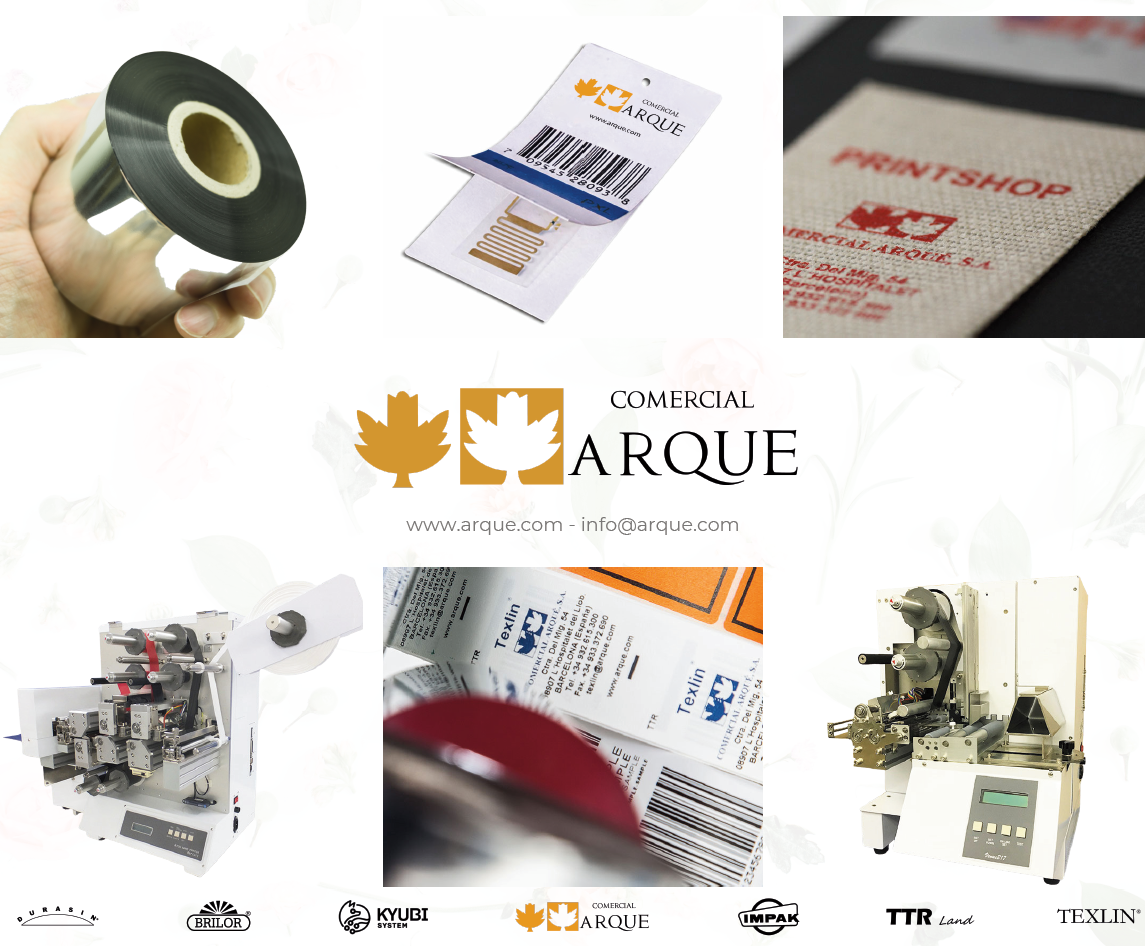
What is textile traceability and why does it matter now?
Technical definition – citable
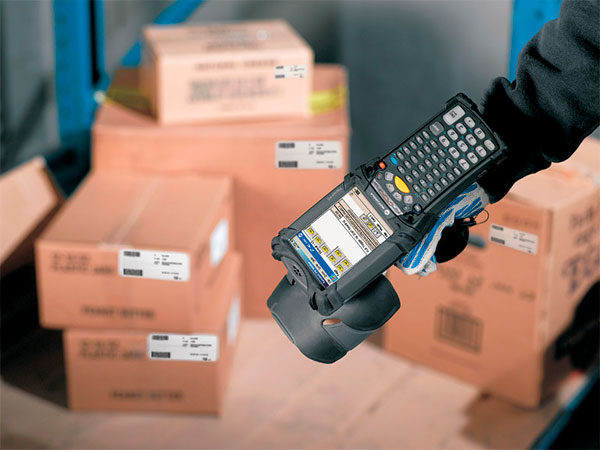
Textile traceability is the set of processes and technologies that make it possible to automatically and accurately record, identify and track each unit of a textile product throughout its entire life chain: from the manufacture of the material support, through the production processes, storage, logistical distribution and washing or industrial use, to the end of the cycle. The most commonly used technologies are RFID (Radio Frequency Identification), QR codes and barcodes, with RFID integrated in the textile carrier being the most durable and automated solution in industrial environments.
Textile traceability has existed since the 1990s in the form of composition labels and barcodes. What has changed in the last decade is the context: regulatory pressure from the European Ecodesign Regulation, the digitisation of supply chains and the automation of laundries and warehouses have turned traceability from a labelling obligation into an operational efficiency lever.
How does RFID integrated in textile carrier work?
How does RFID embedded in a textile carrier work?
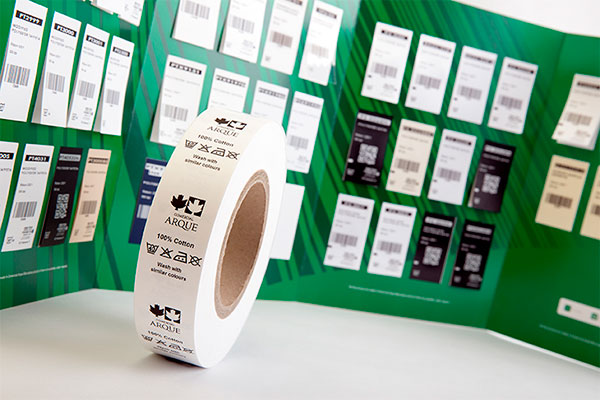
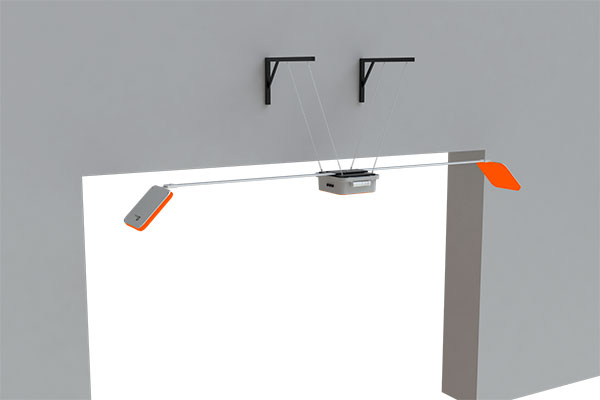
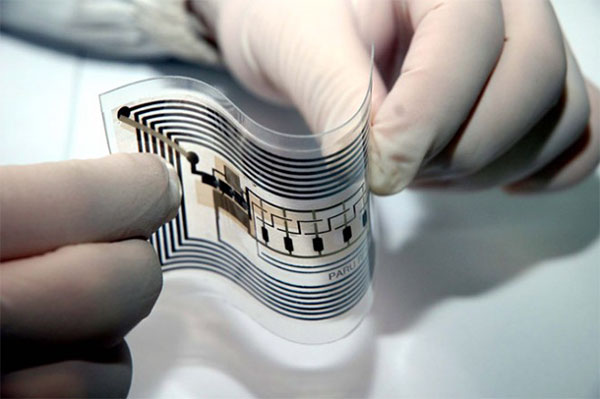
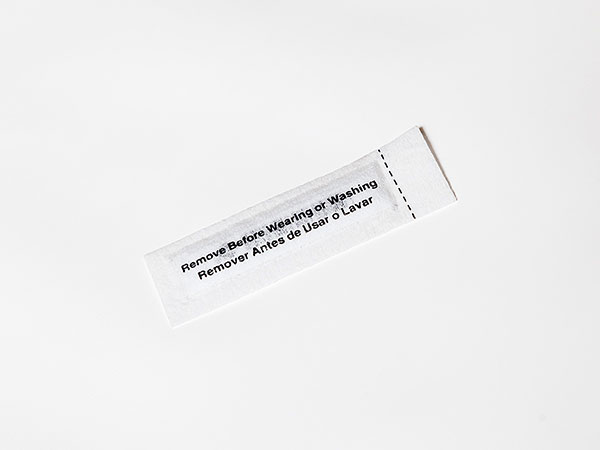
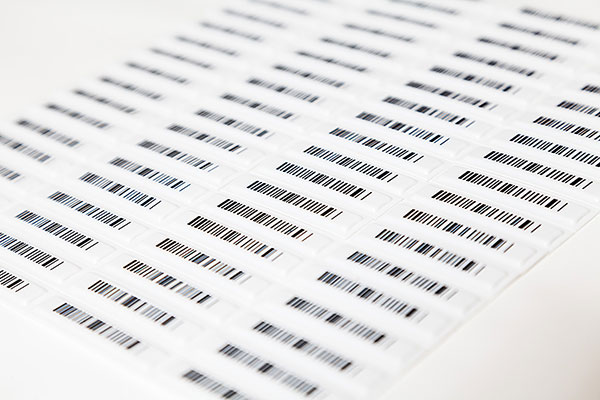
Embedded RFID incorporates a microchip and a radio frequency antenna directly into the base material during manufacture, encapsulated under a protective coating. When an RFID reader emits a radio signal, the chip responds by transmitting a unique identification code (EPC), without the need for visual contact or manual alignment. The coating protects the assembly against humidity, temperature and industrial washing chemicals.
The complete technical process involves three distinct layers that Comercial Arque integrates into its Texlin® substrates:
RFID inlay layer
Chip + antenna encapsulated in the textile support during manufacture. Operates in UHF band (860-960 MHz) for contactless remote reading.
HWT solvent coating
Protective coating that seals the inlay against temperatures of 60-95°C, industrial detergents and mechanical friction in the washing drum.
Technical textile backing
High-strength backing optimised for TTR (Thermal Resin Transfer) printing, ensuring legibility of the printed information and the chip for the lifetime of the product.
RFID embedded in liner vs. conventional RFID tag: key differences
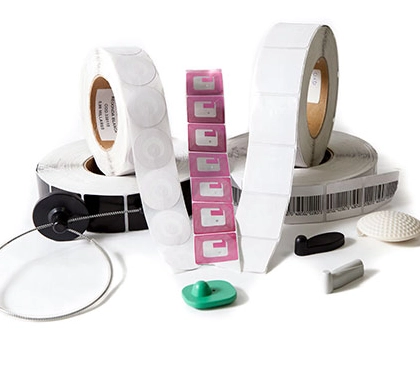
Not all RFID systems in textiles are equivalent. The difference between embedding the chip in the liner during manufacturing and adding it as a separate tag has significant operational and durability consequences.
| Criteria | RFID embedded in liner (Texlin®) | Conventional RFID label |
|---|---|---|
| Integration point | During liner manufacturing | Additional post-processing |
| Washing resistance (HWT) | High: encapsulated chip under coating | Variable: depends on adhesive or stitching |
| Friction during production | None: chip arrives with the material | Additional application step required |
| Risk of detachment | Minimal: embedded in the material | Present: adhesive or stitching may fail |
| Data personalisation | In-line using IMPAK machinery | Depends on external supplier |
| Quality control | End-to-end with in-house lab | Fragmented between suppliers |
The industry problem: limited visibility and hidden costs
Much of the textile industry still operates with identification systems that were not designed for the scale and speed of today’s market. The result is a silent accumulation of inefficiencies that erode operating margins without appearing in any explicit P&L line.
Textiles 2025 Diagnostics
The combination of low real-time visibility, manual or partially automated processes, and high error rates in identification and logistics generates direct economic losses, structural operational inefficiencies and a lack of scalability that penalises growth.
These problems are not isolated: they feed back on each other. An identification error at source generates cascading consequences downstream. Lack of real-time data impedes proactive decision-making. And reliance on manual processes turns any increase in volume into a risk of operational collapse.
Why is textile traceability now a business priority and not just a technical one?
Because the confluence of three factors has changed the context: the advent of the European Digital Product Passport (mandatory in textiles from 2026), the increasing automation of laundries and warehouses requiring machine-readable data, and the pressure from industrial buyers on supply chain visibility. What was differential in 2020 is minimum requirement in 2026.
The Comercial Arque proposal: Texlin®, RFID and IMPAK machinery.
Comercial Arque’s approach is not limited to the supply of materials. It is based on a logic of vertical integration: controlling the data from the textile support to its application in production, eliminating the frictions that appear when material, RFID technology and machinery come from different suppliers.
Who is Comercial Arque
Spanish company specialised in technical textile supports with integrated RFID traceability, industrial coating and identification machinery. With its own laboratories in Barcelona and Florence, it operates as a strategic partner for textile and industrial manufacturers throughout Europe. Present at Techtextil 2026 (Frankfurt, 21-24 April).
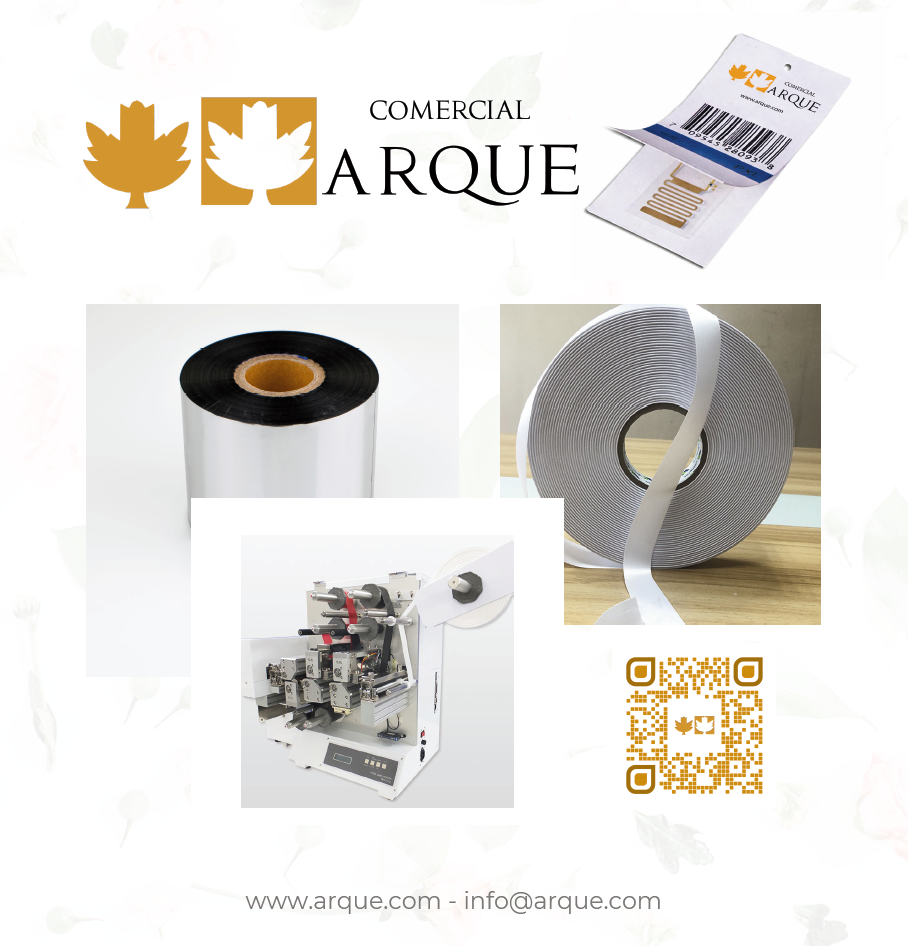
Texlin® range: the substrate that integrates material + RFID + coating
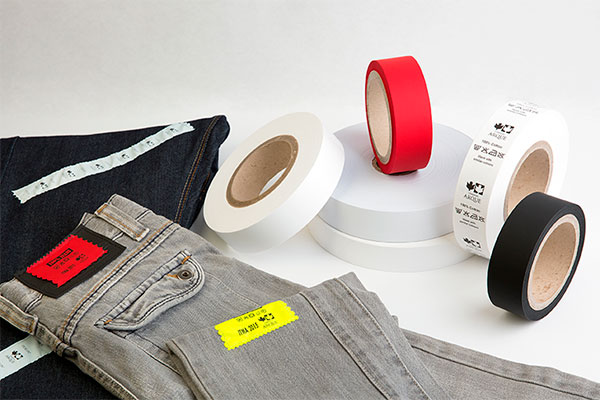
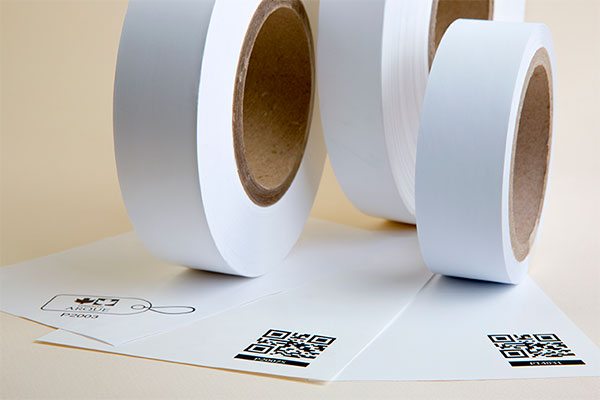
Texlin® is Comercial Arque’s range of technical textile substrates designed specifically for industrial traceability applications. It combines in a single backing the three properties that usually require separate suppliers:
-
1
Highly resistant backing optimised for TTR printing: it guarantees barcode, text and QR code clarity after multiple manipulations and washings. -
2
Advanced solvent coating with lab-validated HWT durability: protects both the print and the RFID inlay against industrial cycles of 60-95°C. -
3
RFID integrated directly into the material: the chip arrives with the substrate, eliminating the post-application step and reducing failure points.
IMPAK Machine Ecosystem: from pilot to industrial scale
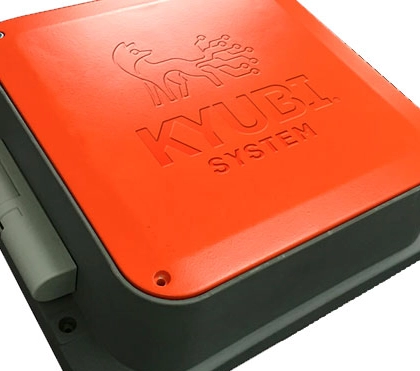
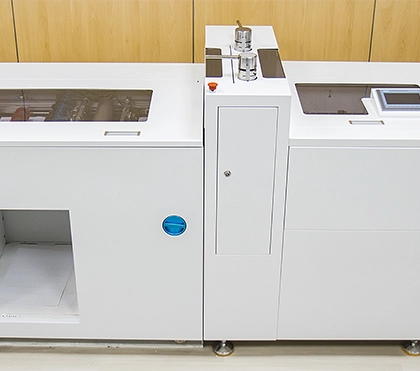
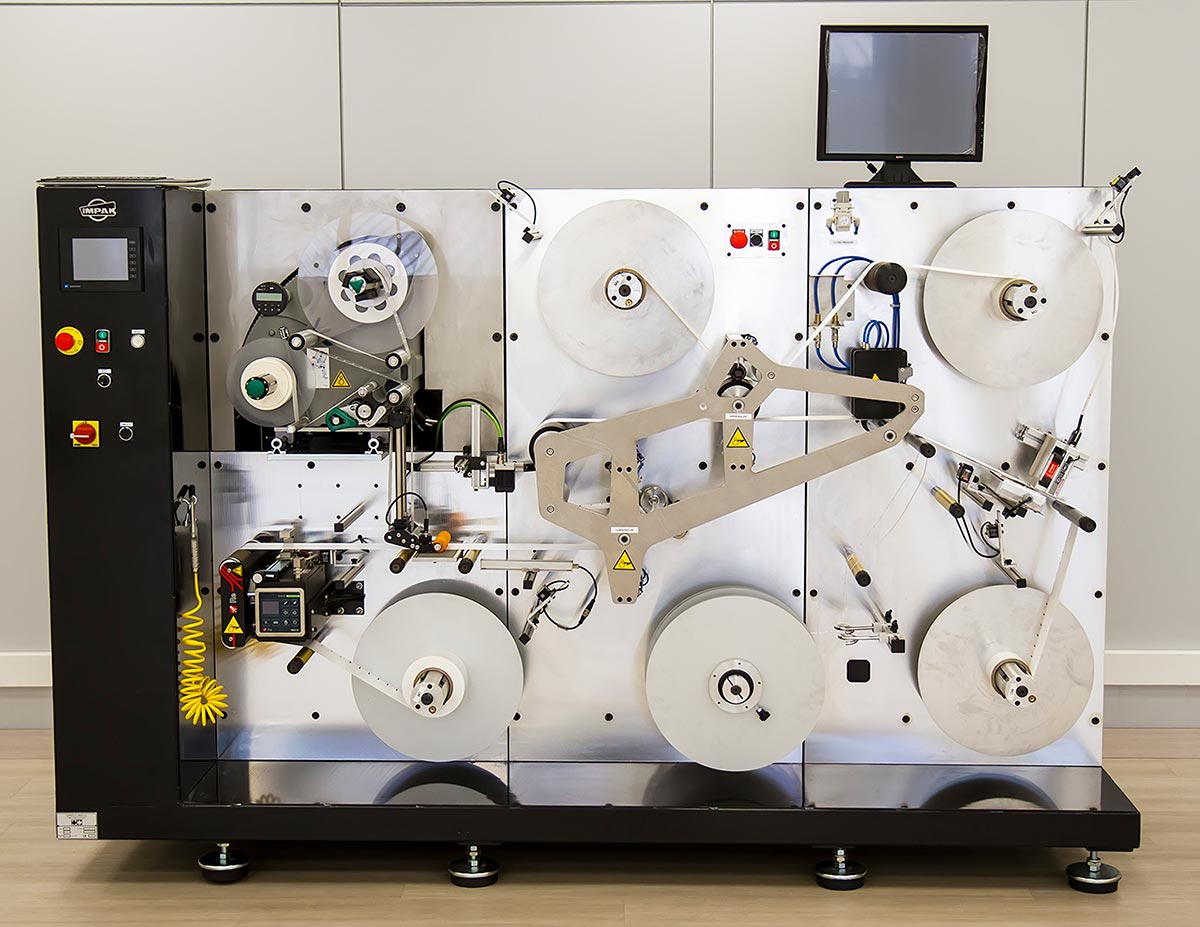
The difference between an interesting solution and a scalable operation is in the machinery that runs it. Comercial Arque offers a proprietary stack that covers the entire in-line traceability flow:
“Integrating material, RFID and machinery in a single supplier eliminates the coordination frictions that block the transition from pilot to real production.”
Commercial Arque – Techtextil 2026 – real production application cases will be shown via video loop on stand.
Sectors that already apply RFID textile traceability
In which industries is RFID textile traceability essential?
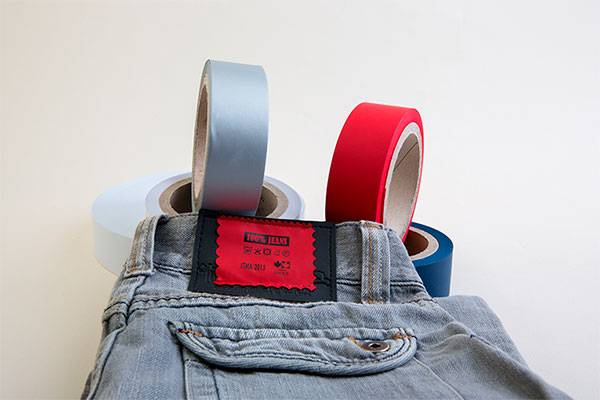
RFID textile traceability is critical in any sector where the textile product goes through repeated cycles of use, washing or redistribution: hospital and institutional laundry (regulation by garment), fashion and clothing (stock management and authenticity), industrial footwear (traceability of components), mattresses (identification in logistics) and technical and industrial production in general.
Footwear
Mattresses
Hospital laundry
Institutional and hospitality
Industrial technical applications
Regulatory context 2026
The European Ecodesign Regulation and the Digital Product Passport (DPP) are accelerating the adoption of textile traceability throughout the textile chain. From 2026, textile manufacturers will have to ensure the availability of life cycle, composition and traceability data in digital format. Embedded RFID is the technology that best enables this compliance in a scalable way.
Measurable operational impact of textile traceability
The implementation of an integrated textile traceability system generates measurable results in five operational dimensions. These are the indicators that typically improve following the adoption of carrier-integrated RFID with dedicated machinery:
-
✓
Reduction of errors in logistical identification: automatic RFID reading eliminates manual transcription errors and misreading errors due to incorrect position. -
✓
End-to-end traceability throughout the chain: from the textile support at origin to the point of use or final washing, with a record of each transaction. -
✓
Increased production efficiency: automated reading and coding eliminates manual steps and reduces cycle time per unit. -
✓
Scalability without degradation of control: the same system that works in pilot runs at industrial volume, because RFID eliminates the dependence on the human factor in identification. -
✓
Compliance, DPP and sustainability readiness: the traceability data generated is reusable for lifecycle reporting, audits and European Digital Product Passport compliance.
Frequently asked questions about textile traceability with RFID
What is textile traceability?
Textile traceability is the ability to automatically identify, record and track each textile product throughout its entire lifecycle: from the manufacturing of the support, through production, logistics and distribution, to the final use or washing. It is implemented using automatic identification technologies such as RFID, QR codes or barcodes, with RFID embedded in the liner being the most durable solution in industrial environments.
How does RFID work on an industrial textile label?
RFID in industrial textile labels incorporates a microchip and a radio frequency antenna in the liner, encapsulated under a protective coating. The RFID reader emits a radio signal that activates the chip, which responds with its unique EPC code. No visual contact or manual alignment is required. The coating guarantees the integrity of the system against industrial washing temperatures (60-95°C), detergents and mechanical friction. In Comercial Arque’s Texlin® range, this durability is validated in our own laboratory by means of standardised HWT tests.
What is the difference between embedded RFID and applied RFID tags?
The main difference is the point of integration. An applied RFID tag is a separate element that is added to the product in a step after the liner has been manufactured (sewing, adhesive, mechanical application). RFID embedded in the backing, as in Comercial Arque’s Texlin® range, incorporates the chip during the manufacturing of the base material itself. This eliminates the application step, reduces failure points, improves durability in industrial washdowns and simplifies the production flow.
What is the HWT test and why does it matter in textile traceability?
HWT (High Wash Temperature) is the name for high temperature wash tests used to validate the durability of labels and textile substrates under industrial conditions. It simulates washing cycles at 60-95°C with industrial detergents and mechanical agitation, which are common conditions in hospital laundries, hospitality and industrial production. An RFID-enabled textile backing that passes HWT tests ensures that the chip will remain readable after hundreds of wash cycles, which is the critical requirement for textile traceability in laundry environments.
What is Techtextil and why is it relevant for traceability?
Techtextil is the leading international trade fair for technical textiles and nonwovens, organised by Messe Frankfurt. The 2026 edition takes place from 21-24 April in Frankfurt am Main. It is the leading global meeting point for manufacturers, technology providers and innovators in the technical textiles sector. In the context of traceability, Techtextil 2026 is particularly relevant because it brings together the players who are defining the standards of identification, automation and digitisation of the textile chain for the next five years.
How does Comercial Arque implement textile traceability in an industrial operation?
Comercial Arque implements textile traceability through a vertically integrated architecture: Texlin® media with embedded RFID and HWT coating validated in our own laboratory, plus an ecosystem of IMPAK machinery (MERCURY, VENUS RFID FALCON, C180-SD and C180-SI) that automates printing, encoding and application on the production line. By integrating material, RFID technology and machinery into a single supplier with in-house laboratories in Barcelona and Florence, the frictions of coordination between suppliers that typically block the move from pilot to industrial scale operation are eliminated.
Techtextil 2026 – Frankfurt – 21-24 April
Do you want to evaluate how to apply textile traceability in your operation?
Schedule a meeting with the Comercial Arque team during Techtextil 2026. Let’s analyse together your current process and show you what real operational impact you can expect with RFID integrated in support.
Request a meeting at Techtextil →
RFID textile
Techtextil 2026
Texlin
IMPAK machinery
HWT textile
Product Digital Passport
industrial textile identification